
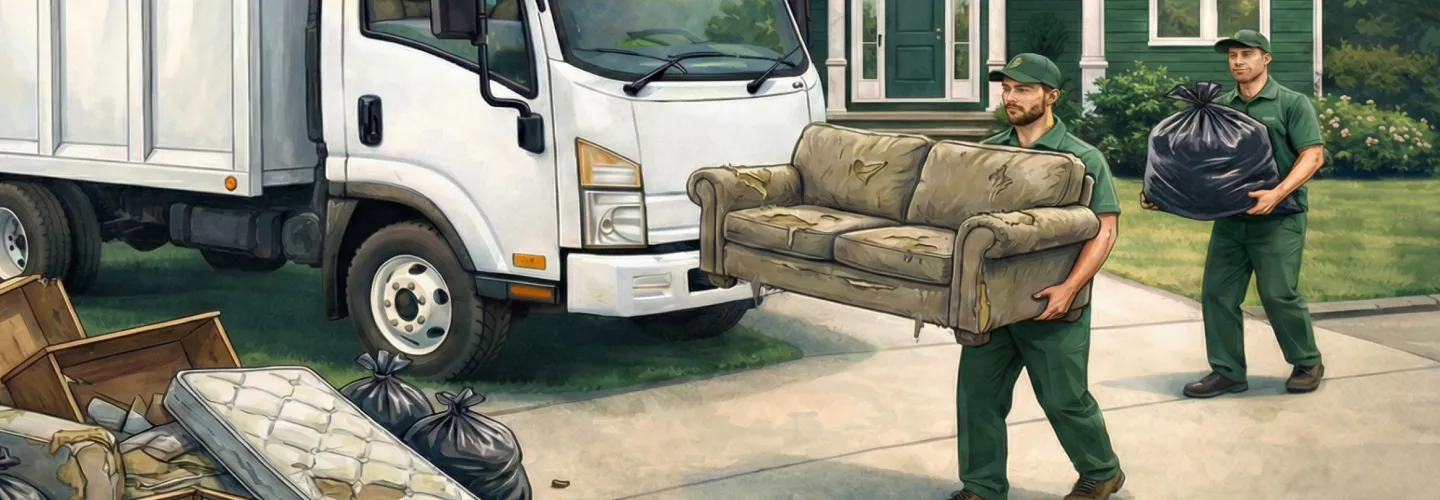
Villa Rica Construction Debris Removal Services
Choose us for your construction debris removal and enjoy hassle-free, eco-friendly disposal with prompt service and transparent pricing—making your site safer and cleaner, every time.
Get a Free QuoteOur Villa Rica Junk Removal Services
Construction Debris Removal in Villa Rica, GA – Local Service Guide
Construction debris removal in Villa Rica, GA is essential for keeping homes, businesses, and neighborhoods clean and safe. Whether you’re renovating a historic home near Mirror Lake, updating a retail space along Bankhead Highway, or clearing out after a storm in Fairfield Plantation, timely debris removal ensures compliance with local regulations and maintains curb appeal. For residential items like old furniture, appliances, or hot tubs, removal often coincides with seasonal upgrades, moving, or major life events. Many Villa Rica residents opt for donation or recycling when possible, especially for electronics and scrap metal, while larger items may require special pickup or drop-off at designated facilities.
Residential spaces such as garages, basements, and yards typically see cleanouts in spring and fall, especially after heavy rains or storms common in the area. Commercial clients—including restaurants, offices, and construction sites—face unique challenges, such as coordinating removal to minimize business disruption and managing higher debris volumes. Specialty services like dumpster rentals or estate cleanouts require advance planning and careful coordination, particularly for properties in flood-prone or densely wooded neighborhoods.
Benefits of Construction Debris Removal in Villa Rica
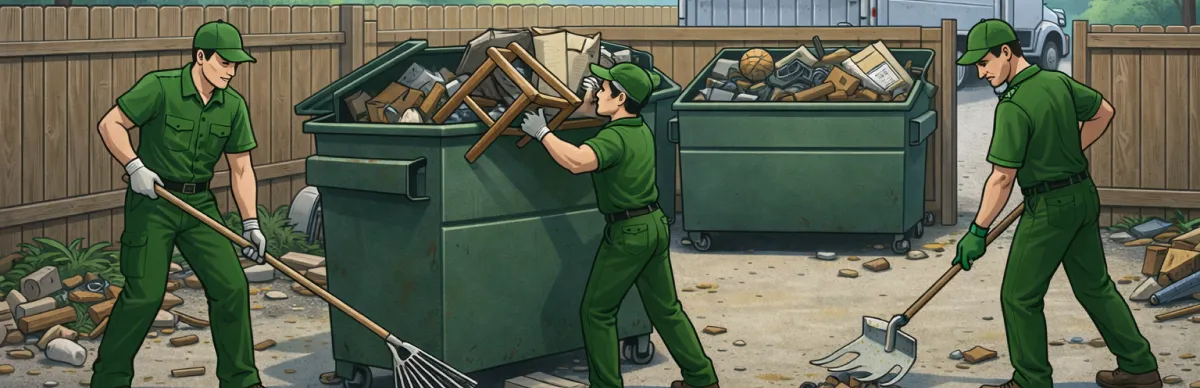
Fast and Reliable Cleanup
Improved Site Safety
Eco-Friendly Disposal
Cost-Effective Solutions
Experienced Local Team
Flexible Scheduling Options
Coordinating Construction Debris Disposal with Villa Rica's Public Works Department
Construction and demolition (C&D) debris generated from renovation, remodeling, or demolition projects in Villa Rica must be managed in accordance with municipal solid waste regulations. The Villa Rica Public Works Department oversees infrastructure services that include stormwater management and transportation systems affected by construction activity. Residents and contractors should be aware of the following requirements when handling C&D materials:
- Prohibited curbside disposal: Construction debris such as lumber, drywall, roofing shingles, concrete, and brick is generally not accepted through standard residential curbside collection
- Hauler responsibility: Contractors generating construction waste are typically responsible for arranging private hauling to an approved disposal or recycling facility
- Site cleanliness: Active construction sites must maintain debris containment to prevent materials from entering stormwater systems or public rights-of-way
- Scheduling coordination: Large-scale debris removal requiring street access or heavy equipment should be coordinated with the Public Works Department in advance
Villa Rica Public Works Department
571 W Bankhead Hwy, Villa Rica, GA 30180
Phone: (770) 459-3760
Official Website: Villa Rica Public Works Department
Villa Rica Building Permit Requirements for Demolition and Renovation Debris
Any construction, renovation, or demolition project in Villa Rica that generates significant debris typically requires a building permit issued through the Villa Rica Building Development division. Permit compliance directly affects how construction debris may be removed and disposed of. Key considerations include:
- Demolition permits: Full or partial demolition of structures requires a permit application with project scope documentation, including a debris management plan
- Renovation permits: Interior and exterior renovation projects producing drywall, flooring, cabinetry, or fixture waste must comply with building code requirements before debris removal begins
- Inspection coordination: Debris should not be removed from a site until required inspections are completed, as inspectors may need to verify structural elements before materials are cleared
- Pre-1978 structures: Buildings constructed before 1978 may contain lead-based paint; the EPA Renovation, Repair, and Painting Rule requires certified lead-safe work practices during renovation and debris handling
Villa Rica Building Development
571 W Bankhead Hwy, Villa Rica, GA 30180
Phone: (770) 459-3760
Official Website: Villa Rica Building Development
Georgia's Solid Waste Management Act and Construction Debris Compliance
Construction debris disposal in Villa Rica is governed at the state level by the Georgia Environmental Protection Division (GA EPD), which administers the Georgia Comprehensive Solid Waste Management Act (O.C.G.A. § 12-8-20 et seq.). This legislation establishes the regulatory framework for how C&D waste must be handled, transported, and disposed of throughout the state. Important provisions include:
- Permitted facilities: All construction and demolition debris must be taken to facilities holding a valid solid waste handling permit issued by GA EPD
- Inert waste landfills: Clean concrete, brick, block, and uncontaminated soil may qualify for disposal at inert waste landfills, which have separate permitting requirements
- Manifest and tracking: Commercial haulers transporting C&D waste must maintain proper documentation of waste origin, volume, and destination facility
- Illegal dumping penalties: Disposing of construction debris on unauthorized land, in waterways, or along roadsides violates Georgia law and may result in fines up to $25,000 per day of violation and potential criminal prosecution
- Asbestos-containing materials: Structures built before 1980 may contain asbestos; Georgia requires a thorough survey by a licensed inspector before demolition, and all friable asbestos must be removed by a certified abatement contractor prior to debris removal
Villa Rica Watershed Protection and Stormwater Compliance for Construction Sites
Construction debris removal activities in Villa Rica must comply with stormwater and erosion control regulations enforced through the city's Watershed Protection program. Construction sites are a significant source of sediment and pollutant runoff, and improper debris management can result in violations of both local ordinances and federal Clean Water Act requirements. Contractors and property owners should observe the following:
- Erosion and sediment control: All active construction sites must install and maintain silt fences, sediment basins, or other best management practices (BMPs) to prevent debris and sediment from entering storm drains
- Debris containment: Loose materials such as sawdust, insulation, packaging, and broken drywall must be secured on-site and not allowed to migrate off the property
- Prohibited discharges: Washing concrete, paint, or construction chemicals into storm drains is prohibited; these materials must be collected and disposed of at approved facilities
- Site stabilization: Upon project completion, exposed soil must be stabilized within timeframes specified by the city to prevent ongoing erosion
Villa Rica Watershed Protection
571 W Bankhead Hwy, Villa Rica, GA 30180
Phone: (770) 459-3760
Official Website: Villa Rica Watershed Protection
Failure to comply with stormwater regulations may trigger enforcement action through Villa Rica Code Enforcement, which investigates property violations and supports neighborhood preservation standards.
Material Sorting and Recycling Requirements for Villa Rica Construction Projects
Proper sorting and separation of construction debris is essential for regulatory compliance and environmental stewardship. While Georgia does not currently mandate a specific C&D waste diversion rate, the Georgia Environmental Protection Division encourages recycling of recoverable construction materials to reduce landfill burden. Villa Rica residents and contractors should consider the following material categories:
- Concrete, brick, and masonry: These inert materials can often be crushed and recycled as aggregate for road base or fill material at permitted inert waste processing facilities
- Scrap metal: Steel beams, copper wiring, aluminum flashing, and other metals have significant recycling value and should be separated from general debris for delivery to scrap metal recyclers
- Clean wood: Untreated, unpainted lumber may be accepted at wood recycling facilities for mulch production or biomass energy; treated or painted wood requires standard C&D landfill disposal
- Roofing shingles: Asphalt shingles are recyclable at specialized facilities that process them into road paving material
- Drywall and gypsum: Clean drywall can be recycled at facilities that process gypsum for agricultural or manufacturing use; contaminated or painted drywall typically requires landfill disposal
- Hazardous materials: Paint, solvents, adhesives, and other chemicals must never be mixed with general construction debris; these require disposal through household hazardous waste collection programs or licensed hazardous waste haulers
Appliances with refrigerants encountered during renovation must have refrigerant recovered by a certified technician per EPA Section 608 regulations before disposal.
What Neighborhoods Do We Serve Throughout Villa Rica, GA?
- Downtown Villa Rica: The historic commercial core features older brick and wood-frame structures where renovation projects frequently produce debris containing legacy materials. Narrow side streets and on-street parking may require advance coordination for debris removal vehicle access and temporary loading zones.
- Mirror Lake: This established residential community consists primarily of single-family homes with standard driveway access. Renovation and remodeling projects here typically generate moderate volumes of interior finish materials including drywall, flooring, and cabinetry debris.
- Villa Rica Industrial Park Area: Commercial and light industrial properties in this corridor may produce larger volumes of construction debris from tenant improvements and facility upgrades. Loading dock access and coordination with business operations are important logistical considerations.
- Ephesus Church Road Corridor: Newer residential subdivisions along this corridor feature contemporary construction with accessible lot layouts. Home addition and outdoor structure projects are common sources of construction debris in this growing area.
- West Bankhead Highway Corridor: Mixed-use properties along this major thoroughfare require careful traffic management during debris removal operations. Commercial renovation projects in strip centers and standalone buildings generate diverse material streams including storefront glass, commercial flooring, and metal framing.
- The Villas at Mirror Lake: This planned community may have homeowners association requirements governing construction activity, debris storage on lots, and removal scheduling. Residents should verify HOA guidelines before staging construction materials or scheduling hauling services.